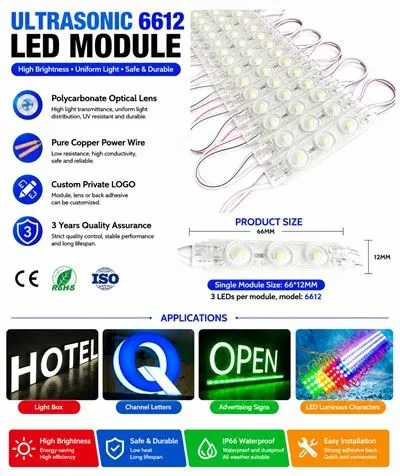
As an experienced LED power supply supplier, I often encounter a common question from customers: "Can I use a higher - wattage LED power supply than my LEDs require?" This is a crucial question that involves the safety, efficiency, and longevity of your LED lighting system. In this blog, I'll delve into this topic in detail and provide you with a comprehensive answer.
Understanding LED Power Requirements
Before we answer the main question, it's essential to understand how LEDs work and their power requirements. LEDs, or Light - Emitting Diodes, are semiconductor devices that convert electrical energy into light. They operate within a specific range of voltage and current. Exceeding these limits can lead to overheating, reduced lifespan, or even permanent damage to the LEDs.
Each LED fixture has a rated wattage, which indicates the amount of power it needs to operate optimally. This wattage is determined by the number of LED chips, their efficiency, and the design of the fixture. For example, a small LED strip might require only 5 watts, while a large LED panel could need 50 watts or more.
The Concept of Using a Higher - Wattage Power Supply
Now, let's address the question of using a higher - wattage LED power supply. In short, it is generally possible to use a power supply with a higher wattage than your LEDs require, but there are several important considerations.
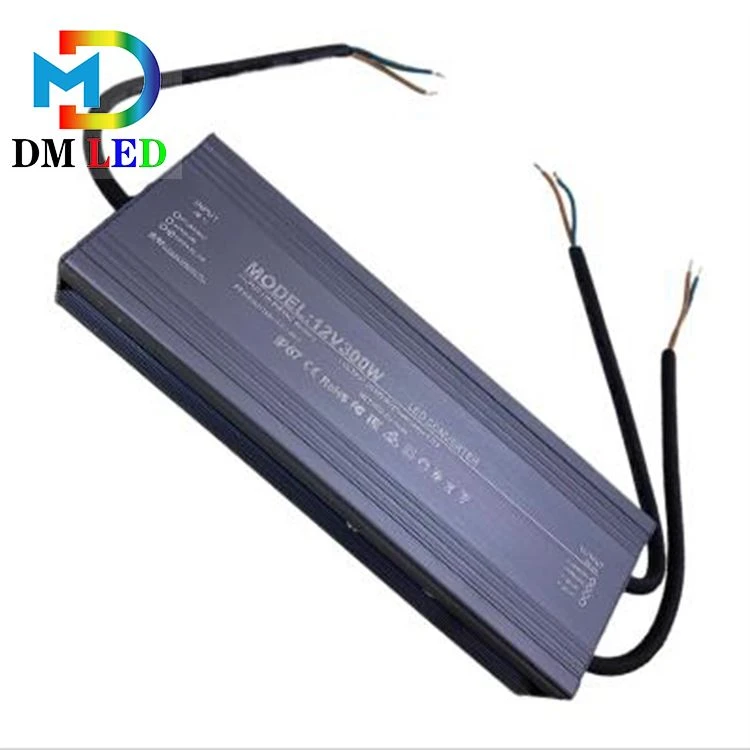

Advantages of Using a Higher - Wattage Power Supply
- Future Expansion: If you plan to add more LEDs to your lighting system in the future, a higher - wattage power supply can accommodate the additional load. This can save you the cost and hassle of replacing the power supply later.
- Efficiency and Stability: A power supply that operates at a lower percentage of its maximum capacity tends to be more efficient and stable. It generates less heat, which can extend the lifespan of both the power supply and the LEDs. For instance, if you have a 100 - watt power supply powering a 20 - watt LED fixture, the power supply will run cooler and more reliably.
Disadvantages and Risks
- Overvoltage and Overcurrent: Although most modern LED power supplies are designed to regulate voltage and current, there is still a risk of overvoltage or overcurrent if the power supply malfunctions. This can cause the LEDs to burn out or reduce their lifespan.
- Cost: Higher - wattage power supplies are generally more expensive than lower - wattage ones. If you don't need the extra capacity, you'll be paying more for a feature you won't use.
Compatibility and Safety Considerations
When using a higher - wattage power supply, compatibility and safety are of utmost importance.
Voltage Compatibility
The voltage output of the power supply must match the voltage requirements of the LEDs. Most LED fixtures are designed to operate at either 12V or 24V. Using a power supply with the wrong voltage can damage the LEDs. For example, if your LEDs are rated for 12V and you use a 24V power supply, the LEDs will likely burn out immediately.
Current Limiting
A good LED power supply should have built - in current limiting features. This ensures that the LEDs receive a constant and safe amount of current, regardless of the power supply's wattage. When choosing a higher - wattage power supply, make sure it has proper current regulation to protect your LEDs.
Safety Certifications
Always choose a power supply that has been tested and certified by recognized safety standards organizations, such as UL, CE, or FCC. These certifications ensure that the power supply meets strict safety and performance requirements.
Examples of Our LED Power Supplies
At our company, we offer a wide range of LED power supplies to meet different needs. For example, our Led Power Supply for Lightbox is designed specifically for lightbox applications. It provides a stable and efficient power source for your lightbox LEDs.
If you need a waterproof power supply, our Waterproof 12v Led Transformer is an excellent choice. It is suitable for outdoor or wet - environment applications, ensuring reliable operation even in harsh conditions.
For high - power applications, we have the 12V 400W Rainproof Power Supply. This power supply can handle large LED loads and is designed to withstand rain and other weather elements.
Conclusion
In conclusion, using a higher - wattage LED power supply than your LEDs require can be a viable option, but it must be done with caution. Consider the advantages and disadvantages, ensure compatibility and safety, and choose a high - quality power supply.
If you have any questions about choosing the right LED power supply for your application, or if you're interested in purchasing our products, we're here to help. Contact us for more information and to start a procurement discussion. We look forward to working with you to meet your LED lighting needs.
References
- "LED Lighting Handbook" by John Reilly
- Various technical documents from LED and power supply manufacturers