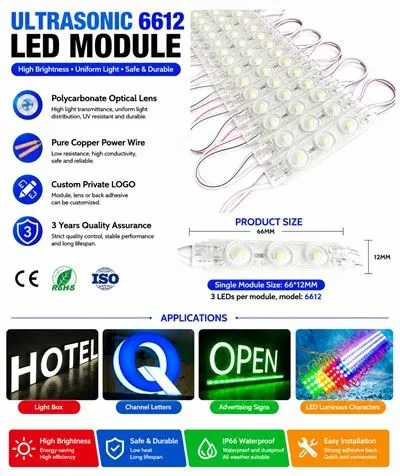
As a supplier of 5050 RGBW light modules, one of the most frequently asked questions I encounter is whether these modules can be cut and extended. In this blog post, I'll delve into the technical aspects of this query, offering a detailed analysis to help you understand the capabilities and limitations of 5050 RGBW light modules when it comes to cutting and extension.
Understanding the 5050 RGBW Light Module
Before we discuss cutting and extending, let's first understand what a 5050 RGBW light module is. The "5050" refers to the size of the LED chips, which are 5.0mm x 5.0mm. RGBW stands for Red, Green, Blue, and White, indicating that these modules can produce a full spectrum of colors, including pure white, by combining different intensities of these four primary colors.
These modules are widely used in various lighting applications, such as decorative lighting, architectural lighting, and display lighting, due to their high brightness, low power consumption, and long lifespan. They are typically arranged on a flexible printed circuit board (PCB), which allows for easy installation and customization.
Can the 5050 RGBW Light Module be Cut?
The answer is yes, 5050 RGBW light modules can generally be cut, but with certain conditions. Most 5050 RGBW light strips are designed with cutting marks at regular intervals, usually every three LEDs. This is because each group of three LEDs forms an independent circuit unit, and cutting at these marks ensures that the electrical connections remain intact and the remaining part of the strip can still function properly.
When cutting the light module, it's crucial to use a sharp pair of scissors or a utility knife to make a clean cut at the designated cutting point. Avoid cutting in the middle of an LED or a circuit trace, as this can damage the module and cause it to malfunction. After cutting, you may need to seal the cut ends with silicone or heat shrink tubing to prevent moisture and dust from entering, which could affect the performance and lifespan of the module.
It's also important to note that cutting the light module may affect its overall performance. For example, if you cut too many segments from the strip, the power supply may not be able to provide enough current to all the remaining LEDs, resulting in reduced brightness or uneven lighting. Therefore, it's recommended to calculate the length of the light strip you need before cutting and ensure that the power supply is appropriately sized for the remaining length.
Can the 5050 RGBW Light Module be Extended?
Yes, 5050 RGBW light modules can be extended, but proper connection methods must be used to ensure a stable and reliable electrical connection. There are several ways to extend the light module:
Using Connector Clips
Connector clips are a convenient and easy-to-use method for extending 5050 RGBW light strips. These clips are designed to fit over the exposed copper pads at the cut ends of the strip, providing a secure electrical connection. Simply align the connector clip with the copper pads on both ends of the strips to be joined, and then press down firmly to ensure good contact.
However, it's important to note that connector clips may not be as durable as soldering, especially in high-vibration or high-temperature environments. They may also be more prone to oxidation and corrosion over time, which can affect the electrical conductivity.
Soldering
Soldering is a more permanent and reliable method for extending 5050 RGBW light strips. It involves melting solder onto the copper pads at the cut ends of the strips and then joining them together. Soldering provides a strong electrical connection and is less likely to come loose or develop a poor connection over time.
When soldering, it's essential to use the right type of solder and a soldering iron with the appropriate temperature. Too high a temperature can damage the LEDs or the PCB, while too low a temperature may result in a weak solder joint. It's also recommended to use a soldering flux to help the solder flow smoothly and improve the adhesion.
Using Extension Cables
Extension cables can also be used to extend 5050 RGBW light modules. These cables are pre-wired with the necessary connections and can be easily plugged into the ends of the light strips. Extension cables are a convenient option when you need to extend the strip over a long distance or when you want to avoid soldering.
However, like connector clips, extension cables may not be as durable as soldering, and they may introduce additional resistance into the circuit, which can affect the performance of the light module.
Considerations for Cutting and Extending
When cutting and extending 5050 RGBW light modules, there are several factors to consider:
Power Supply
As mentioned earlier, cutting or extending the light module can affect the power requirements. Make sure that the power supply you use is capable of providing enough current to all the LEDs in the extended or remaining strip. You may need to calculate the total power consumption of the light module based on the number of LEDs and their power ratings and then choose a power supply with an appropriate wattage.
Signal Transmission
If you're using a controller to control the color and brightness of the 5050 RGBW light module, cutting or extending the strip may affect the signal transmission. Make sure that the controller is compatible with the length of the light strip and that the signal can be transmitted effectively to all the LEDs. You may need to use signal amplifiers or repeaters if the strip is too long.
Heat Dissipation
5050 RGBW light modules generate heat during operation, and proper heat dissipation is essential to ensure their long-term performance and lifespan. When cutting or extending the strip, make sure that there is enough space for heat to dissipate and that the installation environment is well-ventilated. Avoid installing the light module in enclosed spaces or near heat sources.


Applications of Cut and Extended 5050 RGBW Light Modules
The ability to cut and extend 5050 RGBW light modules makes them highly versatile and suitable for a wide range of applications. Here are some examples:
Decorative Lighting
You can cut and extend 5050 RGBW light modules to create custom-shaped lighting designs for your home, office, or event venue. For example, you can use them to outline the edges of a room, highlight a particular area, or create a unique lighting effect.
Architectural Lighting
In architectural lighting, 5050 RGBW light modules can be cut and extended to fit the specific dimensions of a building or structure. They can be used to illuminate facades, columns, staircases, and other architectural features, adding a touch of elegance and sophistication.
Display Lighting
For display lighting applications, such as in retail stores, museums, or galleries, 5050 RGBW light modules can be cut and extended to provide customized lighting for different types of displays. They can be used to highlight products, artworks, or exhibits, making them more visually appealing.
Conclusion
In conclusion, 5050 RGBW light modules can be cut and extended, but it's important to follow the proper procedures and considerations to ensure a successful installation. Whether you're a DIY enthusiast or a professional lighting designer, understanding the capabilities and limitations of these modules can help you create stunning lighting effects that meet your specific needs.
If you're interested in purchasing 5050 RGBW light modules or have any questions about cutting and extending them, please feel free to [initiate a conversation with us]. We offer a wide range of Full Color LED Module Light, AC 110V 220V Led Module Ip65, and Led Module For Channel Letters to meet your diverse lighting requirements. Our team of experts is always ready to provide you with professional advice and support.
References
- LED Lighting Handbook, Third Edition, by John C. Laseter
- Lighting Basics: A Guide to LED Lighting, by the U.S. Department of Energy
- RGB LED Lighting: Principles and Applications, by Mark Rejhon