Installing aquarium LED modules can transform your underwater world, providing the right lighting for your aquatic plants and fish while enhancing the overall aesthetic appeal of your aquarium. As a professional LED module supplier, I'm here to guide you through the process step by step.
Why Choose LED Modules for Your Aquarium?
LED modules have become the go - to choice for aquarium lighting for several reasons. First, they are energy - efficient, consuming far less power than traditional lighting options such as fluorescent bulbs. This not only saves you money on your electricity bill but also reduces heat output, which is crucial as excessive heat can harm your aquatic life. Second, LEDs offer a wide range of color spectrums. You can choose the right color temperature to mimic natural sunlight, which is beneficial for plant growth and makes your fish more vibrant. Third, LEDs have a long lifespan, meaning you won't have to replace them as often.
Selecting the Right LED Module
Before you start the installation process, it's essential to choose the right LED module for your aquarium. Consider the size of your aquarium, the type of aquatic life you have, and your personal aesthetic preferences.
For small to medium - sized aquariums, the RGB Square Led Module DC24v 3.5w is an excellent choice. It provides a customizable color spectrum, allowing you to create different lighting effects. The 24V power supply ensures stable operation, and the 3.5w power consumption is energy - efficient.
If you have an aquarium with a lot of live plants, the SMD 2835 12V LED Module Light is a great option. The SMD 2835 LEDs offer a high - quality light output with a spectrum that is ideal for plant photosynthesis. The 12V power supply is also relatively safe and easy to work with.
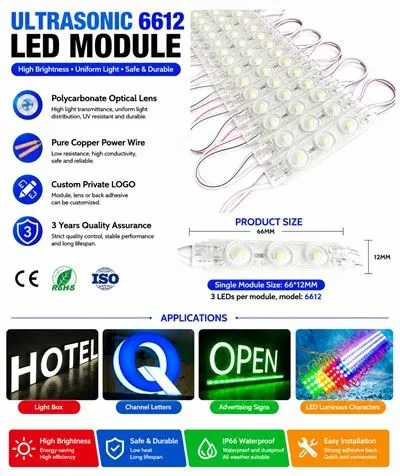
For those who want to add some decorative lighting to their aquarium or use it for light signs, the 12V LED Module For Light Sign can be a fun addition. It comes in various shapes and sizes and can be used to create unique lighting displays.
Tools and Materials You'll Need
- LED Modules: The specific type you've chosen based on your aquarium's needs.
- Power Supply: Make sure it matches the voltage requirements of your LED modules.
- Mounting Hardware: This may include brackets, screws, or adhesive strips depending on the type of module and your aquarium setup.
- Wire Cutters and Strippers: To cut and prepare the electrical wires.
- Electrical Tape: To insulate the wire connections.
- Screwdriver: If you're using screws for mounting.
Installation Steps
Step 1: Prepare Your Aquarium
First, turn off all electrical equipment connected to your aquarium, including the filter, heater, and existing lighting. This is a safety precaution to prevent electrical shock. Then, clean the area where you plan to install the LED modules. Remove any dirt, algae, or debris to ensure a good surface for mounting.
Step 2: Plan the Placement
Decide where you want to install the LED modules. You can place them on the top of the aquarium, along the sides, or even inside the aquarium if the modules are waterproof. Consider the distribution of light and how it will affect your aquatic plants and fish. For example, if you have plants that need a lot of light, place the modules closer to them.


Step 3: Mount the LED Modules
- Using Brackets and Screws: If your LED modules come with brackets, attach the brackets to the aquarium using the appropriate screws. Make sure the brackets are firmly attached and level. Then, attach the LED modules to the brackets.
- Using Adhesive Strips: Some LED modules come with adhesive strips on the back. Clean the surface of the aquarium where you want to attach the modules, then peel off the backing of the adhesive strip and press the module firmly onto the surface. Hold it in place for a few seconds to ensure a good bond.
Step 4: Connect the Wires
- Cut the Wires: Use the wire cutters to cut the wires to the appropriate length. Make sure you leave enough slack for easy connection and future adjustments.
- Strip the Wires: Use the wire strippers to remove about half an inch of insulation from the ends of the wires.
- Connect the Wires: Connect the positive (+) wire of the LED module to the positive terminal of the power supply and the negative (-) wire to the negative terminal. You can use electrical connectors or twist the wires together and cover them with electrical tape. Make sure the connections are secure to prevent short - circuits.
Step 5: Test the LED Modules
Once you've connected the wires, turn on the power supply. Check if the LED modules are working properly. If they don't light up, double - check the wire connections and make sure the power supply is working. If there are any issues, turn off the power supply immediately and troubleshoot the problem.
Step 6: Secure the Wires
After testing, use cable ties or clips to secure the wires along the edge of the aquarium or in a wire management system. This will prevent the wires from getting in the way and keep your aquarium looking neat.
Maintenance and Tips
- Regular Cleaning: Over time, dust and debris can accumulate on the LED modules, reducing their light output. Clean the modules gently with a soft, dry cloth.
- Check the Connections: Periodically check the wire connections to make sure they are still secure. Loose connections can cause the modules to flicker or stop working.
- Monitor the Temperature: Although LEDs produce less heat than traditional lighting, it's still important to monitor the temperature of the aquarium. If the water temperature rises significantly, it may be necessary to adjust the placement of the modules or the duration of use.
Conclusion
Installing aquarium LED modules is a rewarding project that can greatly enhance the beauty and health of your aquarium. By following these steps and choosing the right LED modules from our wide range of products, you can create a stunning underwater environment. If you have any questions about which LED module is right for your aquarium or need further assistance with the installation process, we're here to help. We invite you to contact us for more information and to discuss your purchasing needs. We look forward to partnering with you to make your aquarium a true masterpiece.
References
- "Aquarium Lighting Basics" by Aquarium Co - Op.
- "LED Lighting for Aquariums" in The Journal of Aquatic Science.