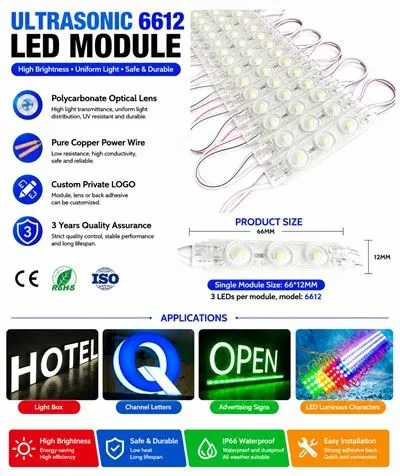
Yo! As a supplier of LED Lightbox Modules, I've been diving deep into how we can make these bad boys more energy - saving. It's not just about being eco - friendly; it's also about helping our customers save some cash on their energy bills. So, let's get into it!
1. Choose High - Efficiency LEDs
The first step in making LED lightbox modules more energy - saving is to pick high - efficiency LEDs. You see, not all LEDs are created equal. Some are just better at converting electrical energy into light. High - efficiency LEDs have a higher luminous efficacy, which means they produce more light per watt of power consumed.
For example, a typical old - school incandescent bulb might have a luminous efficacy of around 10 - 17 lumens per watt. In contrast, high - efficiency LEDs can have a luminous efficacy of over 100 lumens per watt. That's a massive difference! When we use these high - efficiency LEDs in our lightbox modules, the amount of electricity they need to achieve the same level of brightness as less efficient ones is significantly reduced.
We offer a great range of high - efficiency LEDs in our 12v RGB Square Led Module. These modules are designed to give you the best bang for your buck in terms of energy savings without sacrificing brightness or color quality.
2. Use Dimming Technology
Dimming is another awesome way to make LED lightbox modules more energy - saving. Not all the time do you need your lightbox to be at full blast. For instance, during off - peak hours or in areas with ambient light, you can lower the brightness of the LEDs.
Dimming technology allows you to adjust the light output according to the actual need. When you dim an LED light, it consumes less power. It's as simple as that. There are different types of dimming methods, like analog dimming and digital dimming.
We've got some really cool Dimmable Blockchain Led Light options. These lights can be easily dimmed, giving you full control over the brightness and, more importantly, the energy consumption. You can set the perfect level of light for any situation, whether it's a bright day or a quiet evening.
3. Optimize the Power Supply
The power supply is like the heart of an LED lightbox module. If it's not optimized, it can waste a lot of energy. A good power supply should be able to convert the incoming electrical power efficiently into the right voltage and current for the LEDs.
Look for power supplies with high power factor correction (PFC). A high PFC means that the power supply is more efficient at using the electrical power it receives. It reduces the amount of wasted energy and helps the LED lightbox module run more efficiently overall.
We make sure that all our LED lightbox modules, including the 12V RGB LED Modules For Signage, are paired with high - quality power supplies. We understand that a well - optimized power supply can make a huge difference in energy consumption.
4. Improve Heat Dissipation
Heat is the enemy of LEDs. When LEDs get too hot, their performance drops, and they consume more energy. That's why proper heat dissipation is crucial for making LED lightbox modules more energy - saving.


We design our lightbox modules with efficient heat sinks. These heat sinks help to transfer the heat away from the LEDs quickly and keep them at a cool operating temperature. When LEDs are operating at a lower temperature, they are more efficient and use less power.
Think of it like a human body. If you're overheated, you're not going to perform at your best. The same goes for LEDs. By keeping them cool, we can ensure that they work at their peak efficiency and save energy in the process.
5. Implement Smart Lighting Control Systems
Smart lighting control systems are the future of energy - saving in LED lightbox modules. These systems use sensors and automation to adjust the light output based on various factors, such as the time of day, the presence of people, or the amount of ambient light.
For example, if a lightbox is installed in a store, a smart lighting control system can detect when the store is empty and automatically dim the lights. When customers enter the store, it can brighten the lights again. This way, you're only using the energy you need when you need it.
We're constantly working on integrating smart lighting control systems into our products. It's a great way to offer our customers even more energy - saving options and make their lives easier.
6. Regular Maintenance
Last but not least, regular maintenance is important for keeping LED lightbox modules energy - efficient. Over time, dust and dirt can accumulate on the LEDs and the lightbox surface. This can reduce the light output and increase the energy consumption.
By cleaning the lightbox modules regularly, you can ensure that they are operating at their best. Also, check for any loose connections or damaged components. A faulty connection can cause the LEDs to draw more power than necessary.
We recommend that our customers perform regular maintenance on their LED lightbox modules. It's a simple step that can go a long way in saving energy and extending the lifespan of the modules.
In conclusion, there are many ways to make LED lightbox modules more energy - saving. By choosing high - efficiency LEDs, using dimming technology, optimizing the power supply, improving heat dissipation, implementing smart lighting control systems, and performing regular maintenance, we can help our customers reduce their energy costs and be more environmentally friendly.
If you're interested in our energy - saving LED lightbox modules, don't hesitate to reach out. We're here to answer any questions you may have and help you find the perfect solution for your needs. Let's work together to make your lighting more energy - efficient!
References:
- “LED Lighting Handbook.” Different authors in the lighting industry.
- Research papers on LED technology efficiency from lighting research institutions.