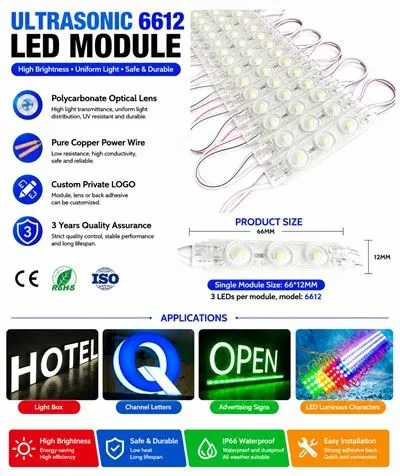
As a supplier of 220V 4LEDS Modules, I understand the importance of optimizing the performance of these products to meet the diverse needs of our customers. In this blog post, I will share some practical tips and strategies on how to optimize the performance of a 220V 4LEDS Module.
Understanding the Basics of 220V 4LEDS Modules
Before diving into the optimization techniques, it's essential to have a basic understanding of 220V 4LEDS Modules. These modules are designed to operate on a 220V power supply and typically consist of four LED lights. They are widely used in various applications, such as decorative lighting, signage, and display systems.
The performance of a 220V 4LEDS Module can be evaluated based on several key factors, including brightness, color accuracy, energy efficiency, and lifespan. By optimizing these factors, you can enhance the overall performance of the module and provide a better user experience.
Optimizing Brightness
Brightness is one of the most important factors when it comes to LED modules. To optimize the brightness of a 220V 4LEDS Module, you can consider the following tips:
- Choose High-Quality LEDs: The quality of the LEDs used in the module has a significant impact on its brightness. Look for LEDs with high luminous efficacy and a high color rendering index (CRI). High-quality LEDs will not only provide brighter light but also better color accuracy.
- Optimize the Driver Circuit: The driver circuit is responsible for providing the correct voltage and current to the LEDs. Make sure the driver circuit is designed to match the specifications of the LEDs. An optimized driver circuit can ensure that the LEDs operate at their maximum efficiency, resulting in brighter light.
- Use Reflectors and Diffusers: Reflectors and diffusers can help to distribute the light more evenly and increase the overall brightness of the module. Reflectors can redirect the light in a specific direction, while diffusers can scatter the light to reduce glare and create a more uniform lighting effect.
Improving Color Accuracy
Color accuracy is another crucial factor in LED lighting. To improve the color accuracy of a 220V 4LEDS Module, you can take the following steps:
- Select LEDs with High CRI: As mentioned earlier, a high CRI indicates that the LEDs can reproduce colors more accurately. Look for LEDs with a CRI of 90 or higher for applications where color accuracy is critical.
- Calibrate the Color Temperature: The color temperature of the LEDs determines the color appearance of the light. Different applications may require different color temperatures. For example, warm white light (around 2700K - 3000K) is often used in residential settings, while cool white light (around 5000K - 6500K) is more suitable for commercial and industrial applications. Make sure to calibrate the color temperature of the module according to the specific requirements of the application.
- Use Color Mixing Techniques: If you need to achieve a specific color or a range of colors, you can use color mixing techniques. This involves combining different colors of LEDs to create the desired color. For example, by mixing red, green, and blue LEDs, you can create a full spectrum of colors.
Enhancing Energy Efficiency
Energy efficiency is a key consideration in today's lighting industry. To enhance the energy efficiency of a 220V 4LEDS Module, you can implement the following measures:


- Choose Energy-Efficient LEDs: Look for LEDs with high luminous efficacy, which means they can produce more light per unit of energy consumed. Energy-efficient LEDs can significantly reduce the power consumption of the module.
- Optimize the Power Supply: The power supply plays a crucial role in the energy efficiency of the module. Make sure to use a high-quality power supply with a high power factor. A high power factor indicates that the power supply can convert the electrical energy more efficiently, reducing the overall energy consumption.
- Implement Dimming Control: Dimming control allows you to adjust the brightness of the module according to the specific needs of the application. By reducing the brightness when full brightness is not required, you can save energy. There are various dimming control methods available, such as PWM (Pulse Width Modulation) dimming and analog dimming.
Prolonging the Lifespan
The lifespan of a 220V 4LEDS Module is an important factor to consider, especially for long-term applications. To prolong the lifespan of the module, you can follow these guidelines:
- Control the Operating Temperature: High operating temperatures can significantly reduce the lifespan of the LEDs. Make sure to provide adequate heat dissipation for the module. This can be achieved by using heat sinks, fans, or other cooling methods.
- Avoid Overloading: Overloading the LEDs can cause them to overheat and reduce their lifespan. Make sure to operate the module within its specified current and voltage limits.
- Use High-Quality Components: The quality of the components used in the module, such as the driver circuit and the printed circuit board (PCB), can also affect its lifespan. Use high-quality components that are designed to withstand the operating conditions of the module.
Complementary Products
In addition to the 220V 4LEDS Module, we also offer a range of complementary products that can enhance the performance and functionality of your lighting system. For example, our 220V Side Light LED Module is designed to provide side lighting for various applications. It offers a unique lighting effect and can be used in combination with the 220V 4LEDS Module to create a more dynamic lighting design.
Our Full Color LED Module Light is another great option if you need to achieve a wide range of colors. With its advanced color mixing technology, it can produce millions of colors, allowing you to create stunning lighting effects.
If you are looking for a more compact and efficient LED module, our 3030 LED Edge Modules are a perfect choice. These modules are designed to be installed on the edge of a surface, providing a uniform and bright lighting effect.
Conclusion
Optimizing the performance of a 220V 4LEDS Module requires a comprehensive approach that takes into account factors such as brightness, color accuracy, energy efficiency, and lifespan. By following the tips and strategies outlined in this blog post, you can enhance the performance of the module and provide a better lighting solution for your customers.
If you are interested in our 220V 4LEDS Modules or any of our other products, please feel free to contact us for more information and to discuss your specific requirements. We are committed to providing high-quality products and excellent customer service.
References
- "LED Lighting Handbook" by John C. C. Fan
- "Solid-State Lighting Technology and Applications" by Nadarajah Narendran