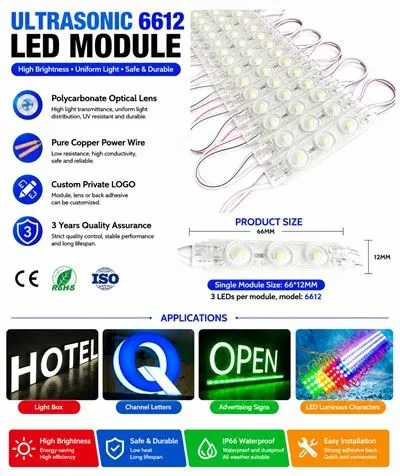
The lighting industry has witnessed a remarkable transformation over the past few decades, primarily driven by the rapid development of LED (Light-Emitting Diode) technology. As a leading LED module supplier, I have had a front-row seat to these changes and have witnessed firsthand how the evolution of LED modules is reshaping the lighting landscape. In this blog post, I will explore the various ways in which the development of LED modules is impacting the lighting industry.
Energy Efficiency and Cost Savings
One of the most significant advantages of LED modules is their exceptional energy efficiency. Compared to traditional lighting sources such as incandescent and fluorescent bulbs, LEDs consume significantly less energy while producing the same or even higher levels of light output. This energy efficiency translates into substantial cost savings for both residential and commercial users.
LED modules are designed to convert a higher percentage of electrical energy into light, rather than wasting it as heat. This not only reduces electricity bills but also contributes to a more sustainable environment by lowering carbon emissions. As energy costs continue to rise and environmental concerns become more pressing, the demand for energy-efficient lighting solutions is expected to grow exponentially.
For businesses, the cost savings associated with LED lighting can be particularly significant. By replacing traditional lighting systems with LED modules, companies can reduce their energy consumption by up to 80%, resulting in substantial savings on electricity bills. Additionally, the longer lifespan of LED modules means fewer replacements and maintenance costs, further reducing operating expenses.
Longevity and Durability
Another key advantage of LED modules is their long lifespan. Unlike traditional lighting sources, which typically have a lifespan of a few thousand hours, LED modules can last up to 50,000 hours or more. This extended lifespan not only reduces the frequency of replacements but also minimizes the environmental impact associated with the disposal of used bulbs.
The durability of LED modules is also a significant factor in their growing popularity. LED modules are solid-state devices that are resistant to shock, vibration, and extreme temperatures. This makes them ideal for use in harsh environments where traditional lighting sources may not be suitable, such as industrial facilities, outdoor lighting applications, and automotive lighting.
As a LED module supplier, I often receive feedback from customers about the long lifespan and durability of our products. Many of our customers have reported that they have been using our LED modules for several years without any issues, which has helped them save money on replacements and maintenance.
Design Flexibility
LED modules offer a high degree of design flexibility, allowing lighting designers and architects to create unique and innovative lighting solutions. Unlike traditional lighting sources, which are often limited in terms of shape, size, and color, LED modules can be customized to meet the specific needs of any project.
LED modules are available in a wide range of shapes, sizes, and colors, making them suitable for a variety of applications. They can be used to create accent lighting, task lighting, ambient lighting, and even decorative lighting. Additionally, LED modules can be easily integrated into existing lighting systems, making them a cost-effective and convenient solution for retrofitting projects.
For example, our New Design 5years Warranty IP68 12v Led Module is designed to be waterproof and dustproof, making it ideal for outdoor lighting applications. The module is available in a variety of colors and can be customized to meet the specific needs of any project.
Color Rendering and Control
LED modules offer excellent color rendering properties, allowing them to accurately reproduce colors and create a more natural and comfortable lighting environment. Unlike traditional lighting sources, which often have a limited color spectrum, LED modules can be designed to emit light in a wide range of colors, including warm white, cool white, and even RGB colors.
In addition to their excellent color rendering properties, LED modules also offer a high degree of control over the color and intensity of the light. This allows lighting designers and architects to create dynamic and interactive lighting solutions that can be adjusted to suit different moods and applications.
For example, our 12v RGB Square Led Module allows users to control the color and intensity of the light using a remote control or a smartphone app. This makes it ideal for creating decorative lighting effects in homes, offices, and commercial spaces.
Smart Lighting Integration
The development of LED modules has also paved the way for the integration of smart lighting technology into the lighting industry. Smart lighting systems use sensors, wireless communication, and advanced control algorithms to automatically adjust the lighting based on the time of day, occupancy, and ambient light levels.
Smart lighting systems offer a number of benefits, including energy savings, convenience, and enhanced security. By automatically adjusting the lighting based on the occupancy of a room, smart lighting systems can reduce energy consumption by up to 30%. Additionally, smart lighting systems can be controlled remotely using a smartphone app or a voice assistant, making it easy for users to adjust the lighting from anywhere.
As a LED module supplier, we are constantly working on developing new products that are compatible with smart lighting systems. Our Smd Led Injection Module is designed to be easily integrated into smart lighting systems, allowing users to control the lighting using a smartphone app or a voice assistant.
Impact on the Lighting Industry
The development of LED modules has had a profound impact on the lighting industry. The energy efficiency, longevity, design flexibility, color rendering, and smart lighting integration offered by LED modules have made them the preferred choice for a wide range of applications, from residential lighting to commercial and industrial lighting.
As the demand for LED modules continues to grow, the lighting industry is undergoing a significant transformation. Traditional lighting manufacturers are being forced to adapt to the changing market dynamics by investing in LED technology and developing new products that are more energy-efficient, durable, and innovative.
At the same time, the development of LED modules has also created new opportunities for startups and entrepreneurs in the lighting industry. With the increasing availability of low-cost LED modules and the growing demand for energy-efficient lighting solutions, there is a growing market for innovative lighting products and services.
Conclusion
In conclusion, the development of LED modules is having a profound impact on the lighting industry. The energy efficiency, longevity, design flexibility, color rendering, and smart lighting integration offered by LED modules have made them the preferred choice for a wide range of applications. As a LED module supplier, I am excited to be part of this transformation and look forward to seeing how the lighting industry continues to evolve in the coming years.
If you are interested in learning more about our LED modules or would like to discuss your lighting needs, please feel free to contact us. We would be happy to provide you with more information and help you find the right lighting solution for your project.


References
- "LED Lighting: Energy Efficiency and Cost Savings." U.S. Department of Energy.
- "The Longevity and Durability of LED Lighting." Lighting Research Center.
- "Design Flexibility with LED Lighting." Architectural Lighting Magazine.
- "Color Rendering and Control in LED Lighting." Lighting Design Lab.
- "Smart Lighting Integration: The Future of Lighting." Forbes.