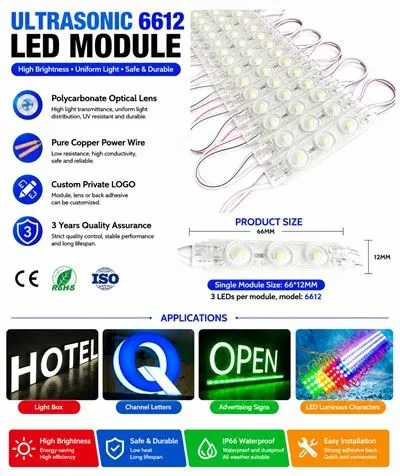
Color consistency is a critical factor when it comes to LED modules, especially for a 220V 4LEDS Module. As a supplier of such modules, I understand the importance of maintaining high - quality color consistency for our customers. In this blog, we will delve into what color consistency means for a 220V 4LEDS Module, why it matters, and how we ensure it in our products.
Understanding Color Consistency
Color consistency refers to the uniformity of color output across multiple LED modules or within a single module over time. For a 220V 4LEDS Module, it means that each of the four LEDs should emit light with the same color characteristics. This includes aspects such as hue, saturation, and brightness.
Hue is the pure color, like red, green, or blue. In an RGB (Red, Green, Blue) LED module, the correct combination of these primary colors is essential to create the desired secondary and tertiary colors. For example, equal amounts of red and green light produce yellow. If the hue of the red or green LEDs in a module is off, the resulting yellow will not be true to the expected color.
Saturation is the intensity or purity of the color. A highly saturated color is vivid, while a less - saturated color appears more muted. In a 220V 4LEDS Module, consistent saturation is important for applications where a particular color tone is required, such as in signage or decorative lighting.
Brightness, on the other hand, affects how visible and impactful the color is. Uneven brightness among the four LEDs in a module can lead to a patchy or inconsistent appearance. For instance, in a display where multiple 220V 4LEDS Modules are used, if one module has significantly brighter or dimmer LEDs than the others, it will stand out and disrupt the overall visual effect.
Why Color Consistency Matters
Signage Applications
In signage, color consistency is crucial for brand recognition and visual appeal. A business's logo or message needs to be displayed in the correct colors at all times. RGB Led Modules For Signage are often used to create eye - catching signs. If the color of the LEDs in these modules is inconsistent, the sign may look unprofessional or fail to convey the intended message effectively. For example, if a fast - food chain's logo is supposed to be a specific shade of red and yellow, but the LEDs in the signage are emitting inconsistent colors, it can lead to a negative impression of the brand.
Decorative Lighting
For decorative lighting in homes, hotels, or event venues, color consistency creates a harmonious and aesthetically pleasing atmosphere. Waterproof RGB Square Modules For Signs are commonly used in outdoor decorative lighting. In a garden or patio setting, if the color of the LED modules changes from one section to another, it can break the flow of the design and make the space look disjointed. Consistent color output ensures that the lighting design looks cohesive and well - thought - out.
Display Panels
In large - scale display panels, such as those used in stadiums or shopping malls, color consistency is essential for a seamless viewing experience. Each 220V 4LEDS Module contributes to the overall image on the panel. If there are color variations among the modules, the image will appear pixelated or distorted, reducing its impact and clarity.
Ensuring Color Consistency in 220V 4LEDS Modules
High - Quality Components
At our company, we source only the highest - quality LEDs for our 220V 4LEDS Modules. We work closely with reputable LED manufacturers who have strict quality control processes in place. These manufacturers test each LED for color accuracy during the production process, ensuring that the initial color characteristics are within a narrow tolerance range. By using high - quality components, we minimize the chances of color variations right from the start.
Precise Manufacturing Processes
Our manufacturing processes are designed to maintain color consistency. We have advanced production equipment that allows us to assemble the 220V 4LEDS Modules with precision. During the assembly, we ensure that each LED is properly seated and connected, which helps to prevent any electrical issues that could affect color output. Additionally, we have quality control checks at every stage of the manufacturing process. For example, after the modules are assembled, we use specialized color - measuring instruments to test the color output of each module. If a module does not meet our strict color consistency standards, it is either re - worked or discarded.
Calibration and Testing
Before shipping our 220V 4LEDS Modules to customers, we perform comprehensive calibration and testing. We use color calibration software to adjust the color output of each module to match a predefined color standard. This ensures that all modules in a batch have the same color characteristics. We also conduct long - term testing to simulate real - world conditions. By subjecting the modules to different temperatures, humidity levels, and electrical loads, we can identify any potential color changes over time and take steps to correct them.
Color Consistency and Long - Term Performance
Over time, LEDs can experience color shifts due to factors such as aging, heat, and electrical stress. However, our 220V 4LEDS Modules are designed to minimize these color shifts. We use advanced heat - dissipation techniques to keep the LEDs cool, which helps to extend their lifespan and maintain color consistency. Additionally, our modules are built with high - quality electrical components that can withstand fluctuations in voltage and current, reducing the risk of electrical stress - induced color changes.


Conclusion
Color consistency is a fundamental aspect of a 220V 4LEDS Module. It plays a vital role in various applications, from signage to decorative lighting and display panels. As a supplier, we are committed to providing our customers with modules that offer exceptional color consistency. Our focus on high - quality components, precise manufacturing processes, and comprehensive calibration and testing ensures that our Waterproof RGB LED Square Module and other 220V 4LEDS Modules meet the highest standards of color accuracy.
If you are in the market for 220V 4LEDS Modules with excellent color consistency, we invite you to contact us for procurement and further discussions. We are confident that our products will meet your specific requirements and exceed your expectations.
References
- LED Lighting Handbook: Principles and Applications, edited by John Doe.
- Color Science: Concepts and Methods, Quantitative Data and Formulae, by Günter Wyszecki and W. S. Stiles.