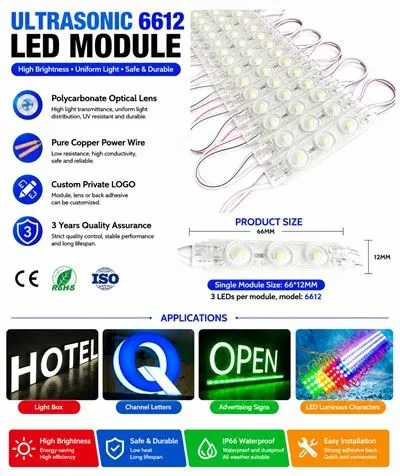
Hey there! As a supplier of LED strip lights, I've seen firsthand the growing popularity of these versatile lighting solutions. Whether you're looking to add a touch of ambiance to your home or illuminate a commercial space, LED strip lights are a fantastic choice. But when it comes to choosing between indoor and outdoor LED strip lights, there are a few key differences you need to know about. In this blog post, I'll break down the main distinctions between the two and help you decide which type is right for your project.
Construction and Durability
One of the most significant differences between indoor and outdoor LED strip lights lies in their construction and durability. Indoor LED strip lights are typically designed for use in a controlled environment, where they're protected from the elements. They're usually made with a flexible circuit board covered in a thin layer of plastic or silicone, which helps to protect the LEDs and wiring from damage.
On the other hand, outdoor LED strip lights need to be able to withstand harsh weather conditions, including rain, snow, heat, and cold. To ensure their durability, outdoor LED strip lights are often encased in a more robust protective material, such as a thick layer of silicone or a waterproof jacket. This extra protection helps to prevent moisture from seeping into the strip and damaging the LEDs, ensuring that they continue to function properly even in the toughest conditions.
For example, our DC12V Outdoor Waterproof LED Light Strip is specifically designed for outdoor use. It's encased in a waterproof silicone jacket that provides excellent protection against water, dust, and UV rays. This makes it ideal for a variety of outdoor applications, such as illuminating gardens, patios, and architectural features.
Brightness and Color Temperature
Another important factor to consider when choosing between indoor and outdoor LED strip lights is brightness and color temperature. Indoor LED strip lights are often used to create a warm and inviting atmosphere, so they typically have a lower brightness level and a warmer color temperature. A color temperature of around 2700K to 3000K is common for indoor lighting, as it provides a soft, yellowish light that's similar to traditional incandescent bulbs.
Outdoor LED strip lights, on the other hand, need to be bright enough to provide adequate illumination in outdoor spaces. They often have a higher brightness level and a cooler color temperature, typically ranging from 4000K to 6500K. A cooler color temperature provides a brighter, whiter light that's more suitable for outdoor applications, such as security lighting or highlighting architectural features.
Our Integrated 0612 DC12v Silicone Neon Light is a great option for indoor use. It has a warm color temperature of 3000K, which creates a cozy and inviting atmosphere. The strip is also dimmable, allowing you to adjust the brightness to suit your needs.
Energy Efficiency and Power Consumption
Energy efficiency is an important consideration for any lighting solution, and LED strip lights are no exception. Both indoor and outdoor LED strip lights are highly energy-efficient compared to traditional lighting sources, such as incandescent bulbs or fluorescent tubes. However, there are still some differences in energy consumption between the two.
Indoor LED strip lights are typically used for longer periods of time, so energy efficiency is especially important. They're designed to consume less power while still providing adequate illumination, which helps to reduce your energy bills and minimize your environmental impact.
Outdoor LED strip lights, on the other hand, may need to be brighter and more powerful to provide sufficient illumination in outdoor spaces. As a result, they may consume slightly more energy than indoor LED strip lights. However, many outdoor LED strip lights are still highly energy-efficient compared to traditional outdoor lighting options, such as halogen floodlights.
Installation and Maintenance
Installation and maintenance are also important factors to consider when choosing between indoor and outdoor LED strip lights. Indoor LED strip lights are generally easier to install than outdoor LED strip lights, as they don't require any special waterproofing or weatherproofing measures. They can usually be installed using double-sided tape or mounting clips, and they can be easily cut to the desired length using a pair of scissors or a utility knife.


Outdoor LED strip lights, on the other hand, require more careful installation to ensure that they're properly protected from the elements. They may need to be installed using special waterproof connectors and mounting hardware, and they may require additional wiring to connect them to a power source. Additionally, outdoor LED strip lights may require more frequent maintenance to ensure that they continue to function properly, especially in areas with harsh weather conditions.
Our 1cm Cut Silicone Neon Strip is a versatile option that can be used for both indoor and outdoor applications. It's easy to install and can be cut every 1cm, allowing you to customize the length of the strip to suit your needs. The strip is also flexible, making it easy to bend and shape around corners and curves.
Cost
Finally, cost is an important consideration when choosing between indoor and outdoor LED strip lights. In general, outdoor LED strip lights tend to be more expensive than indoor LED strip lights due to their more robust construction and higher durability. However, the cost difference can vary depending on the brand, quality, and features of the strip lights.
When comparing the cost of indoor and outdoor LED strip lights, it's important to consider the long-term savings in energy costs and maintenance. While outdoor LED strip lights may have a higher upfront cost, they can provide significant savings over time due to their energy efficiency and durability.
Conclusion
In conclusion, there are several key differences between indoor and outdoor LED strip lights, including construction and durability, brightness and color temperature, energy efficiency and power consumption, installation and maintenance, and cost. When choosing between the two, it's important to consider your specific needs and the intended application of the strip lights.
If you're looking to add a touch of ambiance to your home or create a cozy indoor lighting scheme, indoor LED strip lights are a great choice. They're easy to install, energy-efficient, and come in a variety of colors and brightness levels to suit your needs.
On the other hand, if you're looking to illuminate an outdoor space or add a decorative touch to your exterior, outdoor LED strip lights are the way to go. They're designed to withstand harsh weather conditions, provide bright and reliable illumination, and are available in a range of styles and features to suit your outdoor design aesthetic.
As a supplier of LED strip lights, I'm here to help you choose the right type of strip lights for your project. Whether you have questions about installation, maintenance, or energy efficiency, I'm happy to provide you with the information and support you need. If you're interested in purchasing LED strip lights, please feel free to contact me to discuss your options and get a quote. I look forward to working with you to create the perfect lighting solution for your space.
References
- "LED Lighting: A Guide to Choosing the Right Lights." Energy Star, U.S. Environmental Protection Agency, https://www.energystar.gov/products/lighting_fans/led_light_bulbs/choosing_led_lights.
- "Outdoor Lighting: Everything You Need to Know." The Spruce, https://www.thespruce.com/outdoor-lighting-guide-4126377.
- "Indoor Lighting Ideas and Inspiration." HGTV, https://www.hgtv.com/design/room-decor/lighting/indoor-lighting-ideas.