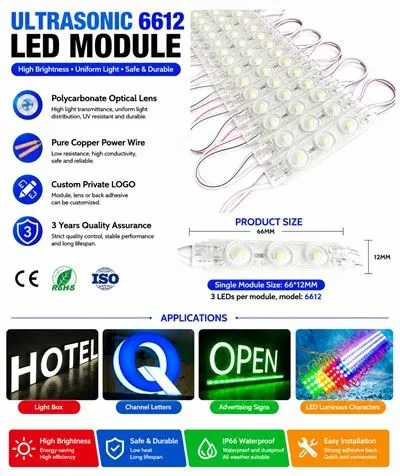
When it comes to illuminating spaces with LED lights, one of the most critical aspects to understand is how LEDs connect to an LED power supply. There are two primary ways to connect LEDs: in series and in parallel. Each method has its own unique characteristics, advantages, and drawbacks. As an experienced LED power supply provider, I've seen firsthand how this choice can impact the performance, efficiency, and longevity of LED lighting systems. In this blog, I'll delve into the differences between series and parallel connections of LEDs with an LED power supply to help you make the best decision for your lighting needs.

Understanding the Basics: Series Connections
In a series connection of LEDs, the positive terminal of one LED is connected to the negative terminal of the next LED, creating a single path for the electrical current to flow through all the LEDs in a row. This way, the same current passes through each LED in the series. If you're using an LED power supply in a series - connected system, you need to ensure that the power supply can provide the appropriate voltage for the combined forward voltage of all the LEDs in the series.
For example, if you have individual LEDs with a forward voltage of 3 volts, and you connect 5 of them in series, the total forward voltage required across the entire series will be 3V x 5 = 15 volts. You'll then need an LED power supply that can deliver 15 volts to ensure the LEDs work properly.
One of the main advantages of a series connection is that it simplifies the wiring. With a single path for the current, there is less complexity in the circuit, which can reduce the chances of wiring errors. Additionally, series - connected LEDs can be useful when you need to control the brightness of multiple LEDs in unison because the current through all of them is the same.
However, series connections also have their drawbacks. If one LED in the series fails (e.g., opens or burns out), the entire circuit will be broken, and all the other LEDs in the series will stop working. Also, series - connected LEDs are more susceptible to variations in the power supply voltage. A small change in the supply voltage can have a significant impact on the current flowing through the LEDs, which may lead to over - or under - illumination and potentially shorten the lifespan of the LEDs.
Parallel Connections: How They Work
In a parallel connection, all the positive terminals of the LEDs are connected together, and all the negative terminals are connected together. This creates multiple paths for the electrical current, with each LED having its own separate path back to the power supply. When using an LED power supply in a parallel - connected system, the power supply only needs to provide the appropriate voltage for a single LED, but it must be able to supply enough current to power all the LEDs combined.
Suppose you have the same 3 - volt LEDs as in the previous example. If you connect 5 of them in parallel, the power supply only needs to provide 3 volts, but it must be capable of supplying 5 times the current required for a single LED.
Parallel connections offer several advantages. First, if one LED fails in a parallel circuit, the other LEDs will continue to operate normally because they each have their own independent current path. This makes parallel - connected LEDs more reliable in applications where continuous illumination is critical. Second, parallel connections are more forgiving of voltage variations in the power supply. Since each LED has its own path, a small change in the supply voltage will not have as much of an impact on the overall performance of the LEDs.
On the downside, parallel connections require more complex wiring compared to series connections. With multiple paths, there is a higher risk of wiring mistakes, which can lead to short - circuits or uneven lighting. Additionally, parallel - connected LEDs may require additional components such as resistors or current - limiting devices to ensure that each LED receives the correct amount of current, adding to the cost and complexity of the system.
Impact on LED Power Supply Requirements
The choice between series and parallel connections has a direct impact on the requirements for the LED power supply. As mentioned earlier, for series connections, the power supply needs to provide a higher voltage and a relatively low current. In contrast, parallel connections demand a lower voltage from the power supply but a higher overall current.
When selecting an LED power supply, it's important to consider the total power consumption of the LEDs. The power consumption can be calculated by multiplying the voltage by the current (P = VI). For example, if you have 10 LEDs, each consuming 0.1 watts at 3 volts and 0.033 amps, in a series connection, you'll need a power supply that can provide 30 volts (assuming all 10 are in series) and 0.033 amps. In a parallel connection, you'll need a power supply that can provide 3 volts and 0.33 amps (10 times the current for a single LED).
Moreover, the efficiency of the power supply also plays a crucial role. A well - designed power supply should be able to convert the input energy into output power with minimal losses. Series - connected systems may require a higher - voltage power supply, which could potentially have lower efficiency if not properly designed. Parallel - connected systems, on the other hand, need power supplies capable of handling high currents, which also need to be efficient to avoid overheating and energy wastage.
Practical Applications and Considerations
The choice between series and parallel connections depends on the specific application of the LED lighting. For indoor lighting applications where reliability is not as critical and cost - effective wiring is desired, series connections may be suitable. For example, in a simple LED strip light installation in a room, a series - connected system can provide uniform lighting with less wiring complexity.
In outdoor applications where reliability is of utmost importance, such as street lighting or landscape lighting, parallel connections are often preferred. If one LED fails in an outdoor lighting system, you don't want the entire section to go dark. Parallel - connected LEDs ensure that the lighting remains functional even if individual LEDs burn out.
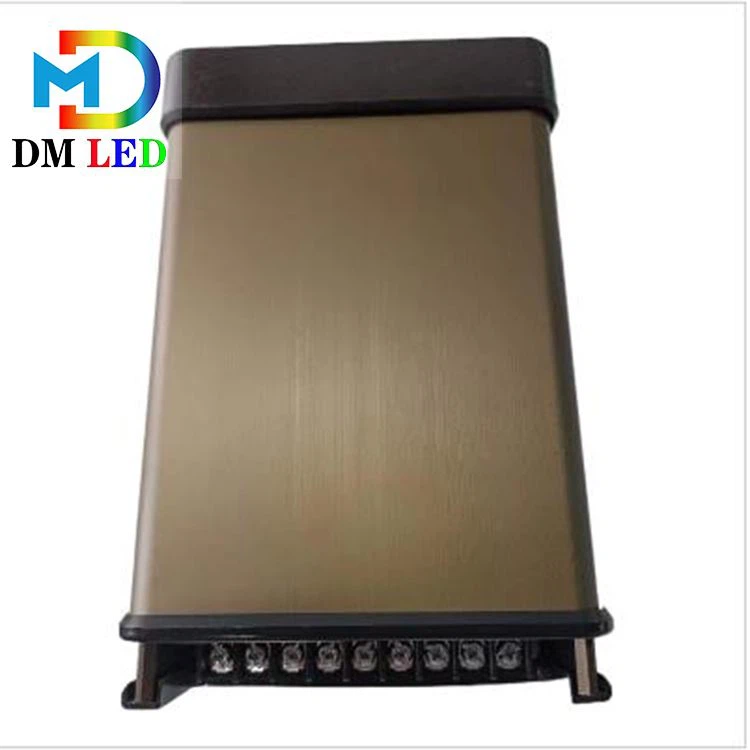
When considering outdoor applications, we also need to take into account the environmental factors. For instance, waterproof and rainproof LED power supplies are essential. You can check out our Waterproof 12v Led Transformer, Rainproof Led Transformer, and Rainproof Led Power Supply to ensure your LED lighting system can withstand harsh weather conditions.
Conclusion
Understanding the differences between series and parallel connections of LEDs with an LED power supply is crucial for designing efficient and reliable LED lighting systems. Series connections offer simplicity and uniform brightness control but are vulnerable to single - point failures. Parallel connections provide higher reliability but require more complex wiring and may need additional components.
As an LED power supply provider, I'm here to assist you in choosing the right power supply and connection method for your specific needs. Whether you're working on a small indoor project or a large - scale outdoor lighting installation, I can offer expert advice and high - quality products. If you're interested in learning more about our LED power supplies or need help with your LED lighting project, don't hesitate to contact me for a procurement discussion. We can work together to ensure that your lighting system meets all your requirements in terms of performance, efficiency, and durability.
References
- Horowitz, P., & Hill, W. (1989). The Art of Electronics. Cambridge University Press.
- Schuler, R. (2009). Practical Electronics for Inventors. McGraw - Hill Education.
- Young, H. D., & Freedman, R. A. (2012). University Physics with Modern Physics. Pearson.