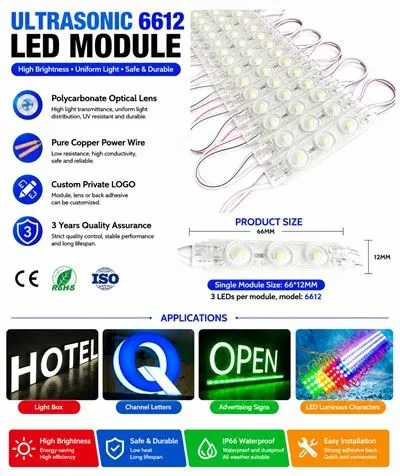
Heat dissipation is a crucial factor in the performance and longevity of LED strip lights. As a supplier of LED strip lights, understanding the concept of heat dissipation and its implications is essential for providing high-quality products to our customers. In this blog post, we will explore what heat dissipation of LED strip lights is, why it matters, and how we ensure effective heat management in our products.
What is Heat Dissipation?
Heat dissipation refers to the process of transferring heat from a heat source, in this case, the LED chips on the strip light, to the surrounding environment. When an LED strip light is in operation, electrical energy is converted into light energy. However, not all of the electrical energy is transformed into light; a significant portion is converted into heat. This heat can build up within the LED strip if not properly dissipated, leading to various issues.
LEDs are sensitive to heat. High temperatures can cause a decrease in light output, a shift in color temperature, and a reduction in the lifespan of the LED chips. For example, if the temperature of an LED strip rises above its recommended operating temperature, the luminous efficacy may decline, meaning that the strip will produce less light for the same amount of power input. Over time, excessive heat can also cause physical damage to the LED chips, leading to premature failure.
Why Heat Dissipation Matters for LED Strip Lights
1. Performance and Light Quality
Effective heat dissipation ensures that the LED strip lights maintain their optimal performance. By keeping the temperature within the recommended range, the LEDs can produce consistent and high-quality light. This is particularly important for applications where color accuracy and brightness are critical, such as in retail displays, stage lighting, and architectural lighting.
2. Lifespan
Heat is one of the main factors that can reduce the lifespan of LED strip lights. When LEDs operate at high temperatures, the internal components degrade more quickly, leading to a shorter overall lifespan. By implementing proper heat dissipation measures, we can extend the lifespan of our LED strip lights, providing our customers with a more reliable and cost - effective lighting solution.
3. Energy Efficiency
When an LED strip light is operating at a high temperature, it becomes less energy - efficient. This is because more power is being wasted as heat rather than being converted into light. By improving heat dissipation, we can increase the energy efficiency of our LED strip lights, helping our customers save on energy costs in the long run.
How We Ensure Effective Heat Dissipation in Our LED Strip Lights
1. High - Quality Materials
We use high - quality materials in the construction of our LED strip lights to facilitate heat dissipation. For example, our 12V RGB LED Neon Light is designed with a thermally conductive substrate. This substrate helps to transfer heat away from the LED chips and distribute it more evenly across the strip. Additionally, we use high - grade silicone encapsulation for some of our products, such as the Led Neon Flex Light 12V. Silicone has good thermal properties and can act as a heat sink, further enhancing heat dissipation.
2. Design Optimization
Our engineering team focuses on optimizing the design of our LED strip lights to improve heat dissipation. We carefully arrange the LED chips on the strip to ensure proper spacing, which allows for better air circulation around the chips. This helps to carry away the heat more effectively. In our Integrated 0612 DC12v Silicone Neon Light, we have designed the internal structure to promote natural convection, where hot air rises and is replaced by cooler air, facilitating heat transfer.
3. Testing and Quality Control
Before our LED strip lights are released to the market, we conduct rigorous testing to ensure that they meet our heat dissipation standards. We use thermal imaging cameras and temperature sensors to monitor the temperature distribution across the strip during operation. This allows us to identify any potential heat - related issues and make necessary adjustments to the design or materials. Our quality control process ensures that every LED strip light we supply has reliable heat dissipation performance.
Applications and Heat Dissipation Requirements
Different applications of LED strip lights have different heat dissipation requirements. For example, in indoor residential lighting, the heat dissipation requirements may be relatively low because the ambient temperature is usually stable, and the lighting levels are not extremely high. However, in outdoor applications or industrial settings, where the ambient temperature can be higher and the LED strip lights may be operating continuously at high power, more robust heat dissipation solutions are needed.
In commercial applications such as shopping malls and restaurants, the LED strip lights are often used for long periods and need to maintain consistent light quality. Therefore, effective heat dissipation is crucial to ensure that the lighting does not dim or change color over time. In stage lighting, where high - intensity lighting is required, the heat generated by the LED strip lights can be significant. Special heat dissipation measures, such as active cooling systems or larger heat sinks, may be necessary to keep the LEDs operating at a safe temperature.
Future Trends in LED Strip Light Heat Dissipation
As the demand for more energy - efficient and high - performance LED strip lights continues to grow, the field of heat dissipation is also evolving. One of the future trends is the development of more advanced materials with better thermal conductivity. For example, researchers are exploring the use of nanomaterials and composite materials that can transfer heat more effectively than traditional materials.
Another trend is the integration of smart heat management systems. These systems can monitor the temperature of the LED strip lights in real - time and adjust the power output or activate cooling mechanisms as needed. This not only improves the performance and lifespan of the LED strip lights but also enhances energy efficiency.
Conclusion
Heat dissipation is a fundamental aspect of LED strip light technology. As a supplier of LED strip lights, we are committed to providing our customers with products that have excellent heat dissipation performance. By using high - quality materials, optimizing the design, and implementing strict quality control measures, we ensure that our LED strip lights can operate at their best, providing long - lasting, high - quality lighting.


If you are interested in our LED strip lights or have any questions about heat dissipation and our products, we encourage you to contact us for more information and to discuss your specific lighting needs. We look forward to working with you to provide the best LED strip light solutions for your applications.
References
- "LED Lighting Handbook" by John Bower
- "Thermal Management of LED Lighting Systems" by the Illuminating Engineering Society