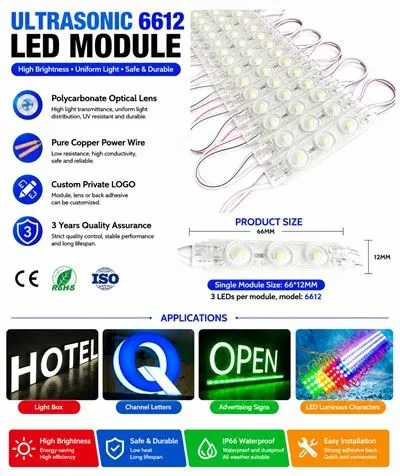
Standby power consumption is a crucial aspect to consider when evaluating the energy efficiency of electronic devices, including lighting modules. As a leading supplier of 5050 RGBW Light Modules, we understand the importance of providing our customers with detailed information about the standby power consumption of our products. In this blog post, we will delve into what standby power consumption is, how it affects the 5050 RGBW Light Module, and why it matters to you as a consumer or business owner.
What is Standby Power Consumption?
Standby power consumption, also known as vampire power or phantom load, refers to the electricity that an electronic device consumes when it is plugged in but not actively in use. Many modern devices, such as televisions, computers, and chargers, continue to draw a small amount of power even when they are turned off or in standby mode. This power is used to maintain certain functions, such as remote control reception, clock displays, or memory retention.
While the standby power consumption of individual devices may seem insignificant, it can add up over time and contribute to a significant portion of your overall energy bill. According to the U.S. Department of Energy, standby power can account for up to 10% of a household's total electricity usage. Therefore, reducing standby power consumption is not only beneficial for the environment but also for your wallet.
Standby Power Consumption of the 5050 RGBW Light Module
The 5050 RGBW Light Module is a popular choice for a wide range of lighting applications, including decorative lighting, architectural lighting, and stage lighting. It consists of multiple 5050 RGBW LEDs (light-emitting diodes) arranged in a module, which can be controlled to produce a variety of colors and lighting effects.
When the 5050 RGBW Light Module is in standby mode, it still consumes a small amount of power to maintain its internal functions, such as the control circuit and the color memory. The exact standby power consumption of the module depends on several factors, including the number of LEDs in the module, the quality of the components, and the design of the control circuit.


On average, the standby power consumption of a typical 5050 RGBW Light Module ranges from 0.1 to 0.5 watts per module. This means that if you have multiple modules installed in your lighting system, the standby power consumption can quickly add up. For example, if you have 10 modules with a standby power consumption of 0.3 watts each, the total standby power consumption of your lighting system would be 3 watts.
Why Standby Power Consumption Matters
There are several reasons why standby power consumption matters when it comes to the 5050 RGBW Light Module:
- Energy Efficiency: By reducing the standby power consumption of your lighting system, you can lower your energy bills and save money in the long run. This is especially important for commercial applications, where lighting systems are often used for extended periods of time.
- Environmental Impact: Standby power consumption contributes to greenhouse gas emissions and other environmental problems. By choosing energy-efficient lighting products, such as the 5050 RGBW Light Module with low standby power consumption, you can help reduce your carbon footprint and protect the environment.
- Product Lifespan: Excessive standby power consumption can cause the components of the lighting module to overheat, which can shorten their lifespan and increase the risk of failure. By reducing the standby power consumption, you can extend the lifespan of your lighting system and reduce the need for frequent replacements.
How to Reduce Standby Power Consumption
If you are concerned about the standby power consumption of your 5050 RGBW Light Module, there are several steps you can take to reduce it:
- Use a Smart Switch: A smart switch allows you to control the power supply to your lighting system remotely. You can turn off the power to the modules when they are not in use, which will eliminate the standby power consumption.
- Choose High-Quality Modules: High-quality 5050 RGBW Light Modules are designed to be more energy-efficient and have lower standby power consumption. When purchasing modules, look for products that are certified by reputable organizations, such as Energy Star.
- Optimize the Lighting System Design: The design of your lighting system can also affect the standby power consumption. For example, you can use a power supply with a higher efficiency rating and reduce the number of unnecessary connections and components.
Other Related Products
In addition to the 5050 RGBW Light Module, we also offer a wide range of other lighting products, including the 2835 Led Module 220v, the SMD5050 RGB IC 12v Led Module, and the High Quality IP68 Waterproof Backlight 12v LED Module. These products are also designed to be energy-efficient and have low standby power consumption, making them a great choice for a variety of lighting applications.
Conclusion
Standby power consumption is an important factor to consider when evaluating the energy efficiency of the 5050 RGBW Light Module. By understanding what standby power consumption is, how it affects the module, and how to reduce it, you can make an informed decision when choosing a lighting system for your home or business.
As a leading supplier of 5050 RGBW Light Modules, we are committed to providing our customers with high-quality, energy-efficient lighting products. If you have any questions or would like to learn more about our products, please feel free to contact us. We look forward to working with you to meet your lighting needs.
References
- U.S. Department of Energy. (n.d.). Standby Power. Retrieved from [URL of the official DOE page on standby power]
- Various lighting industry reports on energy efficiency and standby power consumption.