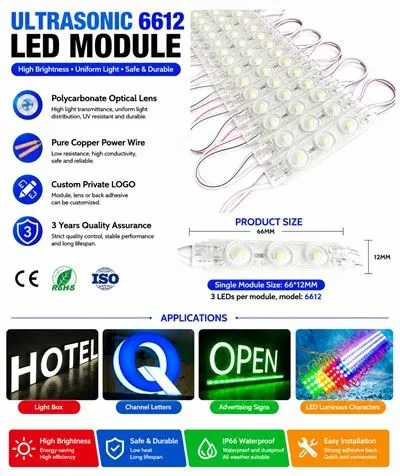
Hey there! As a supplier of SMD LED modules, I often get asked about the proper storage conditions for these nifty little devices. So, I thought I'd share some insights to help you keep your SMD LED modules in tip - top shape.
Why Storage Conditions Matter
First off, let's talk about why storage conditions are so important. SMD LED modules are delicate electronic components. If they're not stored correctly, they can suffer from issues like moisture damage, electrostatic discharge (ESD), and mechanical stress. These problems can lead to reduced performance, shorter lifespan, or even complete failure of the modules.
Temperature
Temperature is a crucial factor when it comes to storing SMD LED modules. Extreme temperatures can have a negative impact on the performance and reliability of the LEDs.
For most SMD LED modules, the ideal storage temperature range is between -20°C and 60°C. At low temperatures, the materials inside the module can become brittle, which may cause cracks or other mechanical damage. On the other hand, high temperatures can accelerate the aging process of the LEDs, reducing their brightness and color stability over time.
If you're storing the modules in a warehouse or a storage room, make sure to keep the temperature within this recommended range. You might need to use heating or cooling systems to maintain a stable temperature, especially in regions with extreme climates.
Humidity
Humidity is another important consideration. Moisture can seep into the SMD LED modules, causing corrosion of the metal parts and short - circuits.
The relative humidity in the storage area should be kept between 30% and 70%. High humidity can lead to the growth of mold and mildew, which can damage the modules. To control humidity, you can use dehumidifiers or moisture - absorbing materials like silica gel packets. These packets are often included with the modules when they're shipped, but you can also add more if needed.
Light Exposure
Exposure to direct sunlight or intense artificial light can also affect the performance of SMD LED modules. UV light, in particular, can cause the plastic components of the modules to degrade, leading to yellowing and reduced light output.
It's best to store the modules in a dark or dimly lit area. If you need to use lighting in the storage space, choose low - UV lights. You can also use opaque storage containers or covers to protect the modules from light.
Electrostatic Discharge (ESD)
ESD is a major concern when dealing with electronic components like SMD LED modules. A static discharge can damage the sensitive semiconductor chips inside the LEDs, rendering them useless.
To prevent ESD, make sure the storage area is equipped with ESD - protective flooring and shelving. Workers handling the modules should wear ESD - protective clothing, wrist straps, and gloves. You can also use anti - static bags to store the modules. These bags are designed to dissipate static electricity and protect the modules from ESD events.


Mechanical Protection
SMD LED modules are fragile and can be easily damaged by physical impacts. When storing the modules, make sure they're placed in sturdy containers or on padded shelves to prevent them from being bumped or dropped.
Avoid stacking heavy objects on top of the modules, as this can cause mechanical stress and damage the components. If you need to transport the modules, use shock - absorbing packaging materials to protect them during transit.
Air Quality
The quality of the air in the storage area can also affect the SMD LED modules. Dust, dirt, and chemical pollutants can accumulate on the surface of the modules, reducing their performance and lifespan.
Keep the storage area clean and well - ventilated. Regularly clean the shelves and storage containers to remove dust and debris. If there are any chemical pollutants in the area, such as fumes from solvents or cleaning agents, make sure to keep the modules away from these sources.
Specific Considerations for Different Types of SMD LED Modules
Different types of SMD LED modules may have slightly different storage requirements. For example, Varilight Dimmer Module may have additional components that are more sensitive to temperature and humidity. It's always a good idea to check the manufacturer's specifications for each type of module to ensure proper storage.
Similarly, Ac 220v Led Module and 12 Volt Led Module For Signage may have different voltage - related considerations. Make sure to follow the recommended storage conditions for each specific product.
Conclusion
Proper storage of SMD LED modules is essential to ensure their performance and reliability. By controlling temperature, humidity, light exposure, ESD, and providing mechanical protection, you can extend the lifespan of the modules and reduce the risk of failures.
If you're in the market for high - quality SMD LED modules and have any questions about storage or other aspects, feel free to reach out. We're here to help you make the best choices for your projects. Whether you're a small business owner or a large - scale manufacturer, we can provide you with the right SMD LED modules and offer expert advice on how to store and use them effectively.
Let's start a conversation and see how we can work together to meet your LED module needs.
References
- "LED Lighting Handbook" by LED Industry Association
- Manufacturer's datasheets for SMD LED modules