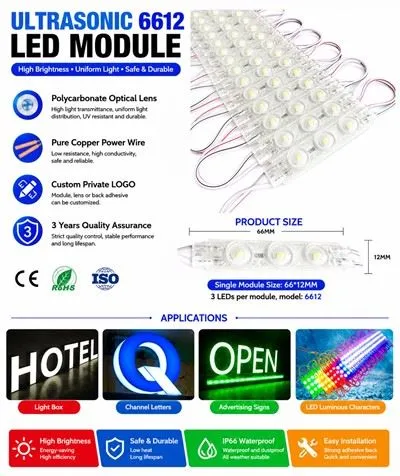
Installing an ultrasonic LED module can be a rewarding DIY project or a necessary task for professional installers. As a supplier of high - quality ultrasonic LED modules, I'm here to guide you through the tools you'll need for a successful installation.
1. Measuring Tools
- Tape Measure: A tape measure is an essential tool for any installation project. When installing an ultrasonic LED module, you need to accurately measure the space where the module will be placed. Whether it's for a commercial signage or a home - based lighting project, precise measurements ensure that the module fits perfectly. For example, if you're installing an 12 Volt Led Module For Signage on a storefront, measuring the width and height of the signage area will help you determine the appropriate size of the module.
- Level: A level is used to ensure that the ultrasonic LED module is installed straight. This is crucial for both aesthetic and functional reasons. An unevenly installed module may not provide uniform lighting, and it can also look unprofessional. You can use a bubble level, which is inexpensive and easy to use. Place the level on top of the module during installation to make sure it's horizontal or vertical as required.
2. Cutting Tools
- Utility Knife: A utility knife is useful for cutting through various materials such as plastic, foam, or thin metal. If you need to create a custom opening for the ultrasonic LED module in a mounting surface, a utility knife can be used to make initial cuts. It's also handy for trimming wires or removing protective films from the module.
- Saw: Depending on the material of the mounting surface, you may need a saw. For example, if you're installing the module in a wooden frame, a hand saw or a power saw can be used to cut the wood to the appropriate size. Make sure to choose the right type of saw blade for the material you're cutting. A fine - tooth blade is suitable for cutting plastic or softwood, while a coarse - tooth blade is better for hardwood.
3. Screwdrivers and Wrenches
- Screwdrivers: You'll likely need both flat - head and Phillips - head screwdrivers. Ultrasonic LED modules often come with mounting brackets that need to be attached to the mounting surface using screws. The type of screwdriver required depends on the type of screws used. Flat - head screwdrivers are used for flat - head screws, while Phillips - head screwdrivers are for Phillips - head screws. Make sure to choose screwdrivers with the appropriate size and tip shape to avoid stripping the screws.
- Wrenches: If the module or its mounting hardware uses nuts and bolts, you'll need wrenches. Adjustable wrenches are versatile as they can be adjusted to fit different sizes of nuts and bolts. Socket wrenches are also useful, especially for tight spaces. They come in a set of different sizes, so you can choose the one that fits the nut or bolt you're working with.
4. Wire - related Tools
- Wire Strippers: Wire strippers are used to remove the insulation from the ends of electrical wires. When connecting the ultrasonic LED module to a power source, you need to expose the metal conductors of the wires. Wire strippers have different gauge settings, so make sure to select the appropriate setting for the wire size you're working with.
- Wire Cutters: Wire cutters are used to cut electrical wires to the appropriate length. They can also be used to trim excess wire or to cut through small - gauge wires. Make sure the wire cutters are sharp to ensure a clean cut.
- Crimping Tool: A crimping tool is used to attach connectors to the ends of wires. This is important for making secure electrical connections. For example, if you're using a connector to connect the module to the power supply, a crimping tool will ensure that the connection is tight and reliable.
5. Testing Tools
- Multimeter: A multimeter is a valuable tool for testing electrical circuits. Before powering on the ultrasonic LED module, you can use a multimeter to check the voltage of the power source and to ensure that the wires are properly connected. You can also use it to test the continuity of the wires, which means checking if there is an unbroken path for the electrical current.
- Voltage Tester: A voltage tester is a simpler tool that can be used to quickly check if there is voltage present in a circuit. It's a useful safety tool to make sure that the power is off before you start working on the wiring.
6. Safety Tools
- Safety Glasses: Safety glasses protect your eyes from flying debris, such as wood chips or metal shavings, when using cutting tools. They are essential for preventing eye injuries during the installation process.
- Gloves: Gloves can protect your hands from sharp edges, cuts, and electrical shocks. When handling wires or using tools, wearing gloves can reduce the risk of injury. You can choose from different types of gloves, such as latex gloves for general protection or insulated gloves for electrical work.
7. Adhesives and Sealants
- Adhesive: If you're installing the ultrasonic LED module in a location where screwing or bolting is not possible or not desired, an adhesive can be used. There are various types of adhesives available, such as epoxy, silicone, or double - sided tape. Epoxy is a strong adhesive that can bond different materials together, while silicone is flexible and waterproof, making it suitable for outdoor installations.
- Sealant: A sealant is used to protect the ultrasonic LED module from moisture, dust, and other environmental factors. If the module is installed outdoors or in a damp environment, applying a sealant around the edges of the module can prevent water from seeping in and damaging the electronics.
When it comes to choosing the right ultrasonic LED module for your project, we offer a wide range of options, including 12v 2835 Injection Led Module and AC110V LED Module for Signage. Our modules are of high quality, energy - efficient, and reliable.
If you're interested in purchasing our ultrasonic LED modules or have any questions about installation, we encourage you to contact us for a procurement discussion. We have a team of experts who can provide you with detailed information and support to ensure that your project is a success.
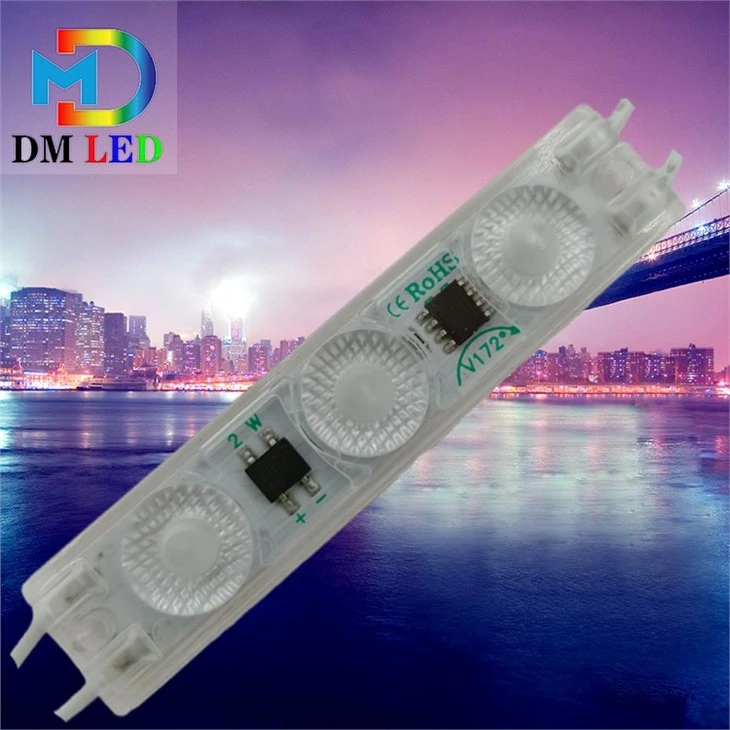

References
- Electrical Installation Handbook. This handbook provides comprehensive information on electrical installation tools and techniques.
- LED Lighting Installation Guide. A guide specifically focused on the installation of LED lighting products, including ultrasonic LED modules.