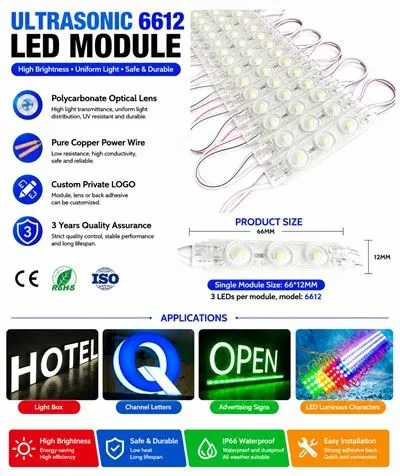
SMD (Surface Mount Device) LED modules have revolutionized the lighting industry with their compact size, energy - efficiency, and versatility. As a leading SMD LED module supplier, I often get asked whether these modules can be used for horticultural lighting. In this blog, I'll explore this question in detail, delving into the science behind plant growth and how SMD LED modules can fit into the horticultural lighting landscape.


The Science of Horticultural Lighting
Plants rely on light for photosynthesis, a process through which they convert light energy into chemical energy to fuel their growth. Different wavelengths of light play distinct roles in various stages of a plant's life cycle. For instance, blue light (400 - 500 nm) is crucial for vegetative growth, as it promotes strong stem and leaf development. Red light (600 - 700 nm), on the other hand, is essential for flowering and fruiting. Far - red light (700 - 800 nm) can also influence plant morphology and photoperiodism.
The intensity of light, measured in photosynthetic photon flux density (PPFD), is another critical factor. Different plant species have different light requirements, and providing the right PPFD ensures optimal growth. Additionally, the duration of light exposure, or photoperiod, affects a plant's flowering time and overall development.
Advantages of SMD LED Modules for Horticultural Lighting
1. Customizable Spectrum
One of the significant advantages of SMD LED modules is their ability to offer a customizable spectrum. As a supplier, we can engineer SMD LED modules to emit specific wavelengths of light. For example, we can create modules that combine blue and red light in the right proportions to support both vegetative and reproductive growth. This customization allows growers to tailor the lighting to the specific needs of their plants, whether they are growing leafy greens, herbs, or flowering plants.
2. Energy Efficiency
SMD LED modules are highly energy - efficient compared to traditional lighting sources such as high - pressure sodium (HPS) lamps and metal halide lamps. They convert a higher percentage of electrical energy into light energy, resulting in lower energy consumption and reduced electricity bills. This is especially important for large - scale horticultural operations where lighting can account for a significant portion of the operating costs.
3. Long Lifespan
SMD LED modules have a long lifespan, typically lasting up to 50,000 hours or more. This means less frequent replacement of lighting fixtures, reducing maintenance costs and downtime in the greenhouse or indoor growing facility. As a supplier, we stand behind the quality of our SMD LED modules, ensuring that growers can rely on them for consistent performance over an extended period.
4. Compact Size
The compact size of SMD LED modules makes them easy to install in various horticultural setups. They can be arranged in arrays to provide uniform lighting coverage, even in limited - space environments. Whether it's a small home grow tent or a large commercial greenhouse, SMD LED modules can be easily integrated into the existing infrastructure.
Considerations When Using SMD LED Modules for Horticultural Lighting
1. Heat Management
Although SMD LED modules generate less heat than traditional lighting sources, they still produce some heat. Proper heat management is essential to prevent overheating, which can damage the plants and reduce the lifespan of the LED modules. We recommend using heat sinks and ventilation systems to dissipate the heat effectively. As a supplier, we can provide technical support on heat management solutions for our SMD LED modules.
2. Light Distribution
Ensuring uniform light distribution is crucial for even plant growth. The design of the SMD LED module and its mounting arrangement can affect the light distribution. We offer different types of SMD LED modules, such as Waterproof Square 4led Modules and Side View Led Module 12v, which can be selected based on the specific light distribution requirements of the growing area.
3. Cost
While SMD LED modules offer long - term cost savings through energy efficiency and reduced maintenance, the initial investment can be higher compared to traditional lighting sources. However, as the technology matures and production costs decrease, the price of SMD LED modules is becoming more competitive. We work closely with growers to provide cost - effective solutions that meet their budget and lighting needs.
Case Studies
Let's look at some real - world examples of how SMD LED modules have been successfully used for horticultural lighting.
A small - scale herb grower in a urban setting switched from fluorescent lights to our LED Module 0.96w Dc12v IP67 For Rbgw Light Boxes. The customizable spectrum of the SMD LED module allowed the grower to optimize the light for the herbs, resulting in faster growth and better flavor. The energy efficiency of the modules also reduced the grower's electricity costs by 30%.
A large commercial greenhouse growing tomatoes replaced their HPS lamps with our SMD LED modules. The ability to control the spectrum and intensity of the light led to increased yields and improved fruit quality. The long lifespan of the SMD LED modules also meant less maintenance and fewer disruptions to the growing process.
Conclusion
In conclusion, SMD LED modules can be an excellent choice for horticultural lighting. Their customizable spectrum, energy efficiency, long lifespan, and compact size make them well - suited for a wide range of horticultural applications. However, growers need to consider factors such as heat management, light distribution, and cost when implementing SMD LED lighting systems.
As a trusted SMD LED module supplier, we are committed to providing high - quality products and technical support to help growers achieve the best results. If you are interested in using SMD LED modules for your horticultural lighting needs, we invite you to contact us for a consultation. We can work with you to design a lighting solution that meets your specific requirements and budget.
References
- Hopkins, W. G., & Hüner, N. P. A. (2009). Introduction to Plant Physiology. John Wiley & Sons.
- Taiz, L., & Zeiger, E. (2010). Plant Physiology. Sinauer Associates.
- "Lighting for Horticulture: LED Technology and Applications." Lighting Research Center, Rensselaer Polytechnic Institute.