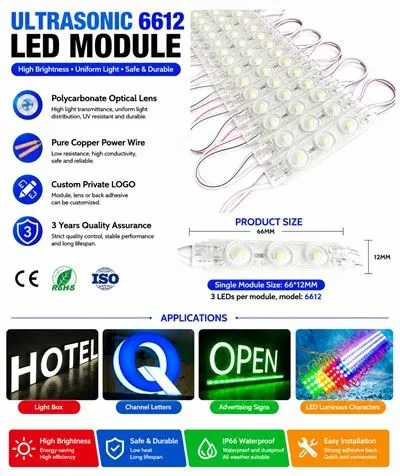
What is the color rendering index (CRI) of LED strip lights?
As a supplier of LED strip lights, I often encounter questions from customers about the color rendering index (CRI) of our products. In this blog post, I'll explain what CRI is, why it's important for LED strip lights, and how it affects your lighting choices.
Understanding the Color Rendering Index (CRI)
The color rendering index is a scale from 0 to 100 that measures how accurately a light source can reproduce the colors of objects compared to natural sunlight. A CRI of 100 means that the light source can perfectly reproduce all colors, just like natural sunlight. As the CRI value decreases, the light source becomes less accurate at rendering colors, and objects may appear to have distorted or less vibrant colors.
To determine the CRI of a light source, scientists compare the way it illuminates a set of eight standard color samples to how natural sunlight would illuminate them. The closer the match between the two, the higher the CRI.
Why CRI Matters for LED Strip Lights
When it comes to LED strip lights, CRI plays a crucial role in creating the right atmosphere and enhancing the visual appeal of a space. Here are some reasons why CRI is important:
- Accurate Color Representation: In applications where color accuracy is essential, such as art galleries, retail stores, or photography studios, a high CRI LED strip light is necessary. It ensures that the colors of products, artworks, or subjects are displayed as they truly are, without any color distortion.
- Enhanced Aesthetics: A high CRI light can make a room look more inviting and comfortable. It brings out the true colors of furniture, walls, and decor, creating a more vibrant and appealing environment.
- Visual Comfort: Our eyes are accustomed to natural sunlight, which has a CRI of 100. Using LED strip lights with a high CRI can reduce eye strain and fatigue, as the colors appear more natural and true to life.
CRI Ratings and Their Applications
LED strip lights are available with different CRI ratings, and each rating is suitable for specific applications. Here's a breakdown of common CRI ratings and their typical uses:
- CRI 70 - 80: LED strip lights with a CRI in this range are considered basic or standard. They are suitable for general lighting applications where color accuracy is not the primary concern, such as in hallways, storage areas, or utility rooms.
- CRI 80 - 90: This is the most common CRI range for LED strip lights. Lights in this category offer good color rendering and are suitable for most residential and commercial applications, including living rooms, bedrooms, offices, and retail spaces.
- CRI 90+: LED strip lights with a CRI of 90 or higher are considered high - quality and are ideal for applications where color accuracy is critical. They are commonly used in art galleries, museums, jewelry stores, and photography studios.
Factors Affecting CRI in LED Strip Lights
Several factors can affect the CRI of LED strip lights:
- LED Chip Quality: High - quality LED chips are more likely to have a higher CRI. Cheaper LED chips may sacrifice color accuracy to reduce costs.
- Phosphor Coating: The phosphor coating on the LED chips plays a significant role in color rendering. A well - formulated phosphor coating can improve the CRI of the LED strip light.
- Manufacturing Process: The manufacturing process can also impact the CRI. Precise control of the production parameters ensures consistent and high - quality color rendering.
Our LED Strip Lights and CRI
As a supplier of LED strip lights, we offer a wide range of products with different CRI ratings to meet the diverse needs of our customers. Whether you need a basic LED strip light for general lighting or a high - CRI light for a color - critical application, we have the right solution for you.
Our Waterproof Led Strip Lighting is not only designed to withstand moisture and harsh environments but also provides excellent color rendering. With a high CRI option available, it is suitable for both indoor and outdoor applications, such as under - cabinet lighting in kitchens or landscape lighting in gardens.
For those looking for a unique lighting solution, our LED Side Strip Light offers a different lighting effect. It can be used to create accent lighting or highlight specific features in a space. We also ensure that our side strip lights have a good CRI to enhance the visual impact.
If you need a waterproof and low - voltage option, our 12V LED Strip Light Waterproof is a great choice. It combines the benefits of waterproofing and a reliable power supply with high - quality color rendering.
How to Choose the Right CRI for Your LED Strip Lights
When selecting LED strip lights based on CRI, consider the following factors:
- Application: Determine the primary use of the LED strip lights. If color accuracy is crucial, opt for a high CRI light. For general lighting, a standard CRI may be sufficient.
- Budget: High - CRI LED strip lights are usually more expensive than those with lower CRI ratings. Balance your budget with your color - rendering requirements.
- Personal Preference: Some people may prefer a warmer or cooler color tone, even if it means sacrificing a little bit of color accuracy. Consider your personal aesthetic preferences when making a decision.
Contact Us for Your LED Strip Light Needs
If you're interested in purchasing LED strip lights and have questions about CRI or other product features, we're here to help. Our team of experts can assist you in choosing the right LED strip lights for your specific application. Whether you're a homeowner looking to upgrade your lighting or a business owner in need of commercial lighting solutions, we can provide you with high - quality products and professional advice.


Feel free to reach out to us to start a conversation about your LED strip light requirements. We look forward to working with you to create the perfect lighting solution for your space.
References
- "Color Rendering Index: A Guide for Lighting Designers." Lighting Research Center, Rensselaer Polytechnic Institute.
- "LED Lighting Basics." U.S. Department of Energy.