When it comes to installing an LED power supply, ensuring safety is of utmost importance. As a seasoned LED power supply provider, I've seen firsthand the consequences of improper installation. In this blog, I'll share some essential safety precautions to take during the installation process.
1. Pre - installation Checks
Before you even begin the installation, it's crucial to conduct a series of checks.
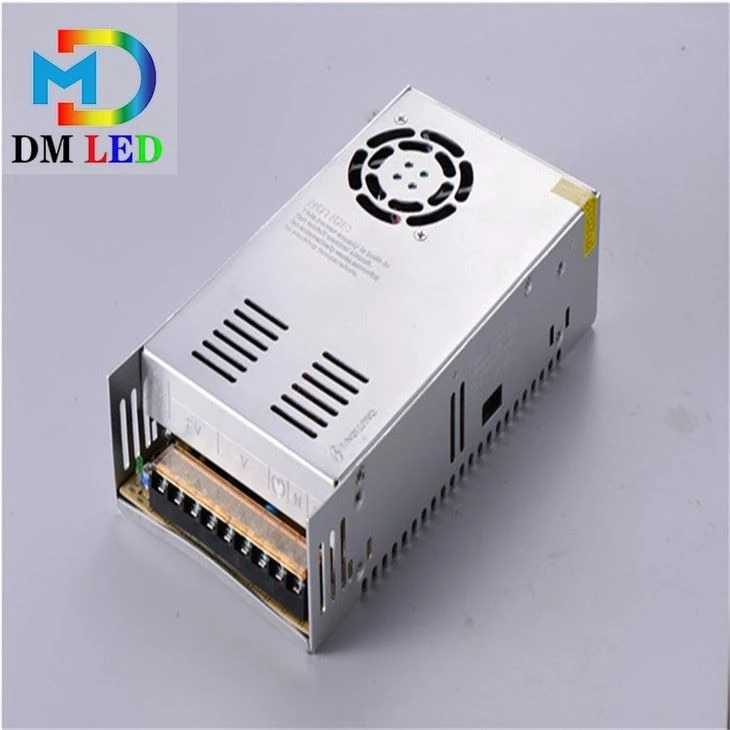
- Inspect the Power Supply: Carefully examine the LED power supply for any visible damage such as cracks, dents, or loose wires. A damaged power supply can pose a significant safety risk. For instance, a cracked casing may expose live wires, increasing the chance of electric shock. If you find any issues, do not proceed with the installation and contact the supplier for a replacement. Our 12V 400W Rainproof Power Supply undergoes strict quality control to minimize such risks, but it's still important to double - check.
- Verify the Specifications: Make sure the power supply's voltage, current, and wattage ratings match the requirements of your LED lighting system. Using a power supply with incorrect specifications can lead to overheating, which may cause a fire hazard. For example, if your LED lights require a 12V power supply and you use a 24V one, the lights may burn out or even catch fire.
- Check the Installation Environment: Assess the area where you'll be installing the power supply. If it's an outdoor location, ensure it's protected from direct sunlight, rain, and extreme temperatures. Our Rainproof Led Transformer is designed for outdoor use, but additional protection like a weatherproof enclosure can further enhance safety. For indoor installations, make sure the area is well - ventilated to prevent heat buildup.
2. Electrical Safety
Electrical safety is the cornerstone of any power supply installation.
- Turn Off the Power: Before starting the installation, switch off the main power supply to the area where you'll be working. This simple step can prevent electric shock. Use a voltage tester to confirm that there is no power flowing to the wires you'll be handling.
- Use Proper Tools: Always use insulated tools when working with electrical components. Insulated screwdrivers, pliers, and wire cutters can protect you from electric shock. Make sure the tools are in good condition and have no exposed metal parts.
- Proper Wiring: Follow the wiring diagram provided with the power supply carefully. Connect the wires correctly, ensuring that the positive and negative terminals are not reversed. Loose or incorrect wiring can cause short circuits, which can lead to electrical fires. Secure the wires with wire nuts or terminal blocks to prevent them from coming loose over time.
3. Grounding
Grounding is an essential safety measure that helps protect against electrical faults.
- Connect the Ground Wire: Most LED power supplies come with a ground wire. Connect this wire to a proper grounding point, such as a grounding rod or a metal electrical box. Grounding provides a path for electrical current to flow safely into the ground in case of a fault, reducing the risk of electric shock.
- Check the Grounding Continuity: Use a continuity tester to ensure that the grounding connection is intact. A broken grounding connection can render the safety feature ineffective.
4. Mounting and Enclosure
Proper mounting and enclosure of the power supply are crucial for long - term safety.
- Secure Mounting: Mount the power supply securely to a stable surface. Use appropriate screws or brackets to prevent it from falling or vibrating loose. A loose power supply can cause damage to the internal components and increase the risk of electrical problems.
- Use an Enclosure: If the power supply is not already enclosed, place it in a suitable enclosure. An enclosure can protect the power supply from dust, moisture, and physical damage. Make sure the enclosure is rated for the environment where it will be installed. For indoor installations, our Indoor Led Power Supply 12v can be mounted in a standard electrical enclosure.
5. Post - installation Testing
After completing the installation, it's important to test the system to ensure everything is working correctly.
- Turn On the Power Gradually: Once you've completed all the connections and checks, turn on the main power supply gradually. Observe the LED lights and the power supply for any signs of abnormal behavior, such as flickering lights, overheating, or strange noises.
- Monitor the Temperature: Use an infrared thermometer to monitor the temperature of the power supply during operation. If the power supply gets too hot, it may indicate a problem with the installation or the power supply itself. A normal operating temperature for most LED power supplies is between 40 - 60 degrees Celsius.
- Check the Output Voltage: Use a multimeter to measure the output voltage of the power supply. The measured voltage should be within the specified range. If it's significantly different, there may be an issue with the wiring or the power supply.
6. Maintenance and Inspection
Regular maintenance and inspection can help ensure the continued safety of your LED power supply.

- Schedule Regular Inspections: Inspect the power supply and the wiring periodically for any signs of wear, damage, or loose connections. This can help you detect and address potential problems before they become serious.
- Clean the Power Supply: Keep the power supply clean and free of dust and debris. Dust can accumulate on the components and cause overheating. Use a soft brush or compressed air to clean the power supply.
Contact for Purchase and Consultation
If you're in the market for a high - quality LED power supply or need further advice on installation safety, we're here to help. Our team of experts can provide you with detailed information and guidance to ensure a safe and successful installation. Whether you need a 12V 400W Rainproof Power Supply, a Rainproof Led Transformer, or an Indoor Led Power Supply 12v, we have a wide range of products to meet your needs.
References
- National Electrical Code (NEC)
- UL Standards for LED Power Supplies
- Manufacturer's Installation Manuals for LED Power Supplies